We plan more trips to Japan each year, and the first question is almost always when to go. The answer most people have in mind is one of two seasons: spring, when the cherry trees bloom, or autumn, when the maples turn to crimson and amber.
Both are extraordinary. Both are also shorter than they sound, and both are booked much earlier than the trip seems to require. Here is how we think about planning for each.
Two peak seasons, both brief
Cherry blossom season
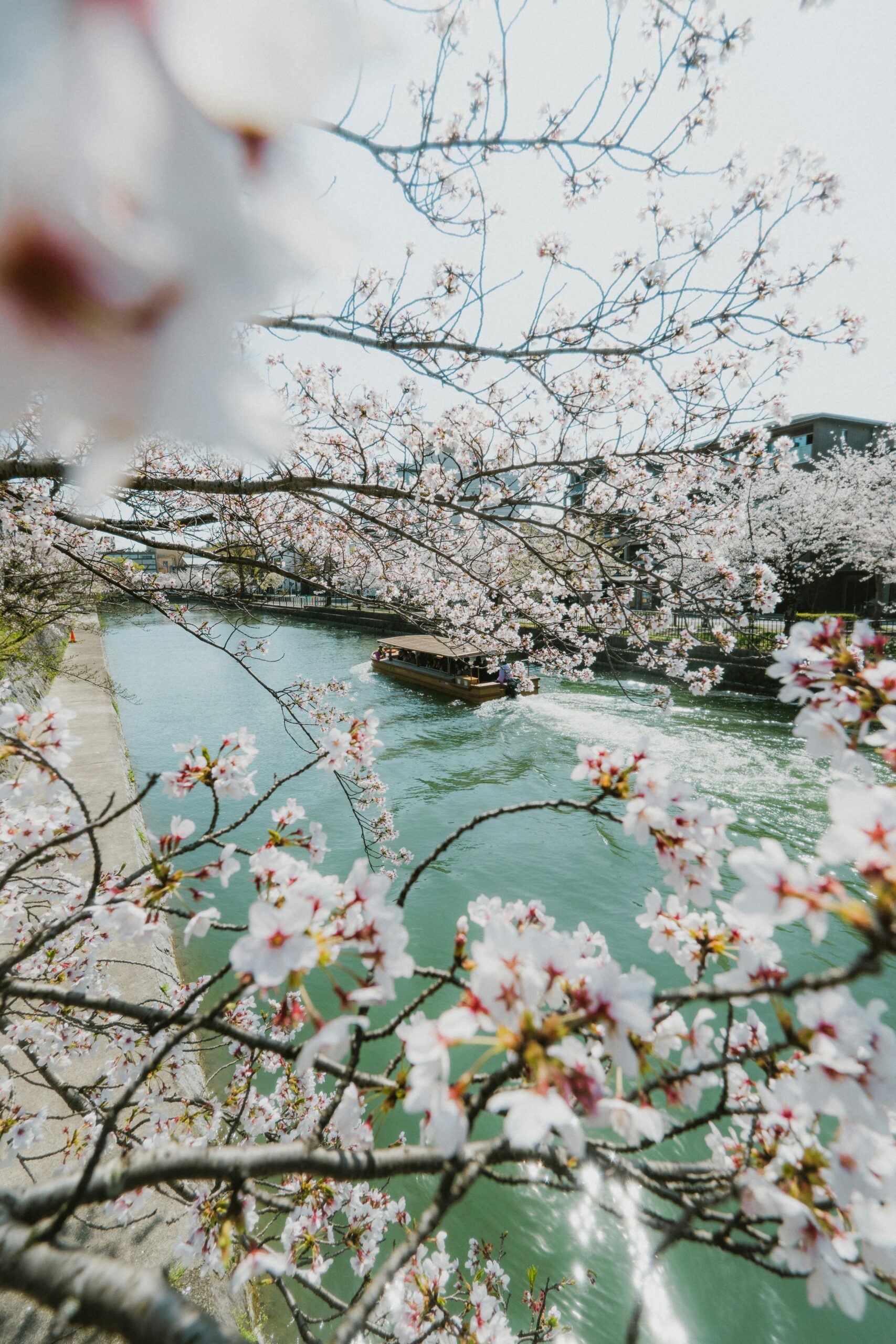
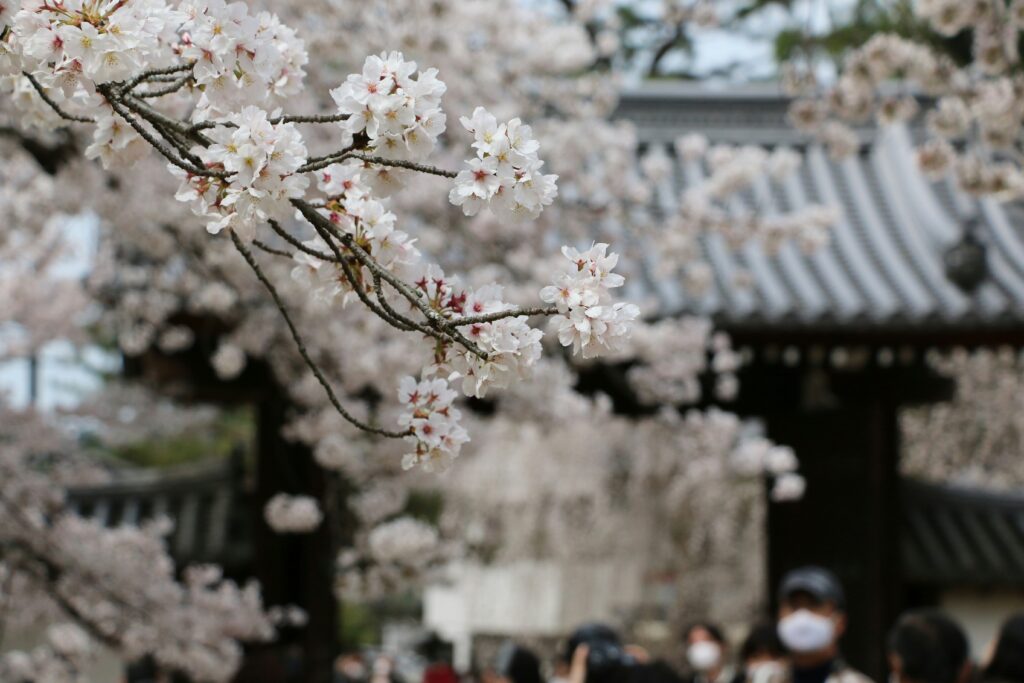
In Tokyo and Kyoto, the cherry trees usually reach full bloom between the last week of March and the first week of April. The peak holds for about a week before the petals begin to fall, and a warm spell or a rainy weekend can shorten it. The dates move each year, and the first reliable bloom forecasts do not arrive until January.
Autumn leaf season
Autumn moves in the opposite direction, from the mountains down to the cities. Hakone usually starts turning colors in early to mid November. Kyoto follows from mid November into early December, and Tokyo’s gardens are often at their best in late November. Autumn is a little more forgiving than spring, because the color builds and lingers rather than arriving all at once. Foliage forecasts begin to appear in early autumn.
In both seasons, you are committing to the trip months before anyone can tell you exactly when the trees will peak.
The hotels decide the trip
Everyone else is working from the same forecast. Travelers from across Japan and around the world are aiming at the same few weeks in the same few cities, and the best hotels and ryokans feel it first.
The places our clients love most in Kyoto and Hakone tend to be small. A traditional ryokan may have only a handful of rooms, and the ones with a private bath or a garden view go first. For the peak weeks of either season, they are often committed many months ahead, which is why we begin reserving nine to twelve months out. Flights can usually wait. The right room in Kyoto usually cannot.
How we plan Japan
When my team and I plan a trip to Japan, we work with one of our trusted partners on the ground there, and the trip is arranged all together: the hotels and ryokans, the private guides, the transfers, and the experiences in between. It is booked as one plan rather than a series of separate reservations.
That matters most in the peak seasons. When a single ryokan in Hakone or a particular week in Kyoto shapes everything around it, it helps to have every piece secured at the same time, by people who know the country well. Booked separately, the pieces rarely line up as well.
Plan for the season, not the date
Because the peak moves, the best itineraries in Japan have some give built into them. These are the principles we rely on:
- Stay long enough to overlap the peak. Ten days or more gives the trip a good chance of meeting the blossoms or the maples, even if they arrive early or late.
- Let elevation work for you. Hakone sits higher than Tokyo and Kyoto. In spring, its trees bloom after the cities have peaked, so it makes a good ending. In autumn, it turns first, so it makes a good beginning.
- Treat the season as the setting, not the reason. A trip that depends on one perfect morning under the trees is fragile. A trip that would be beautiful regardless, and happens to include the blossoms or the leaves, is not.
A pace that works
An itinerary that places Tokyo as the first stop often works best, with enough time to recover from the time change before doing very much. Kyoto is the heart of the trip, and its early mornings are worth protecting, when the temples are quiet and the light is soft. Hakone, with a ryokan, a hot spring bath, and a mountain view, gives the trip a slower chapter wherever it falls.
For families, especially those with several generations traveling, fewer hotel changes matter more than more cities. Connecting rooms are scarce in traditional ryokans, so they are worth securing early. Japan also makes it easy to send luggage ahead between cities, so no one is managing bags on the train.
Japan is best at a slower pace than most people plan for. The trains are fast, which makes it tempting to do too much. Fewer bases, longer stays, and one unscheduled afternoon in every city will make the trip feel like rest rather than an accomplishment.
Two stretches worth avoiding
Between the two peak seasons, there are two periods we usually steer clients away from, if possible. The first is Golden Week, from late April into early May, when much of Japan travels at once. The second is the rainy season, which runs from roughly June into mid-July.
Japan tends to reward the people who plan for it early and then leave room inside the plan. Treat the season as the setting, and start the conversation about a year before you hope to go. Loose details are a fine place to begin.
P.S. If Japan is on your list, tell me a little about the trip you are imagining. My team and I will take it from there.